Find out which ad is worth running.
Upload two creatives. Kettio’s free ad analyzer reads both the way your buyer would, then tells you which one to run. No signup, no credit card, results in about 30 seconds.
What you get free
A real second opinion on your ad — before you spend a dollar.
Most ad testing requires you to launch the ad, burn budget, and wait two weeks for statistical significance. Kettio’s free ad analyzer flips that. Upload two creatives and a simulated buyer persona reads them, reacts in plain English, and tells you which one would convert — in under 30 seconds. No spend, no waiting, no guessing.
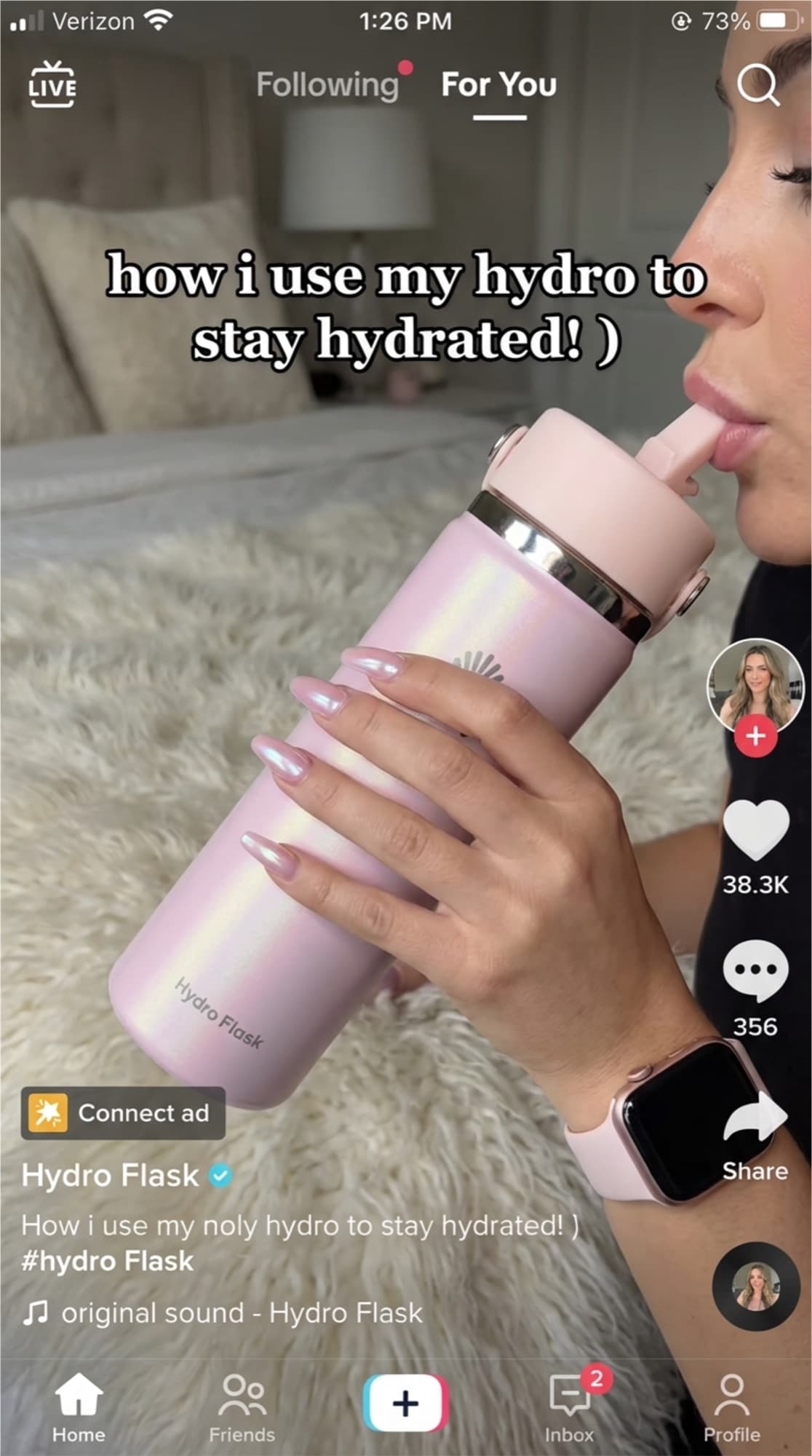
The free tier covers the most common DTC ecommerce ad formats: Meta feed images, TikTok in-feed, Google Display, LinkedIn single image, Amazon Sponsored Brands, Reddit Promoted Posts, and Pinterest Standard Pins. Pick your platform, pick the objective (Sales, Engagement, Awareness, Traffic, etc.), and pick the persona reacting.
When you create a free account you get 20 free credits to keep running ranked simulations — plus unlock copy testing (score image + headline + CTA together), custom audiences built from your real buyer profile, and saved run history.
Why it’s different
Calibrated against real CTR. Not vibes.
Every other “AI ad analyzer” outputs a vague score from a single model with no validation. Kettio’s scoring engine — SSR, short for Silicon Survey Ranking — runs a two-model ensemble (Flash + Haiku) for each ad, embeds each generated reaction with text-embedding-3-large, and compares each embedding against anchor reference texts on a 1–5 scale.
How it works
How Kettio predicts which ad is stronger.
You provide the competing ads, the buyer, and the goal. Kettio simulates likely buyer responses, compares every ad on the same scale, and returns a directional winner before you spend.
01 Upload your ads
Add the ads you are choosing between.
Kettio compares like with like: static images, copy, or full ad packages. Each creative is evaluated separately so one ad cannot influence the read on another.
02 Choose the buyer and goal
Tell Kettio who you want to persuade.
Choose the platform, conversion goal, and buyer profile. Those choices determine the context and the question the simulated audience evaluates.
03 Simulate the response
Kettio models how that buyer is likely to react.
AI respondents modeled on your chosen buyer evaluate each ad independently. Their responses are compared with calibrated anchors and combined into a directional ranking.
04 Make the decision
Get a winner, the reasons, and clear next steps.
See which ad leads, why it leads, how confident the read is, and what to improve. Kettio flags close calls; live media remains the final proof.















Frequently asked
Common questions about the free ad analyzer.
Start free
20 free credits.
No credit card. No catch.
Sign up and run 10 ranked simulations on us. Test copy, build custom audiences, save every run. Cancel any time — you’ll never see a paywall.